FM-1 Flasher
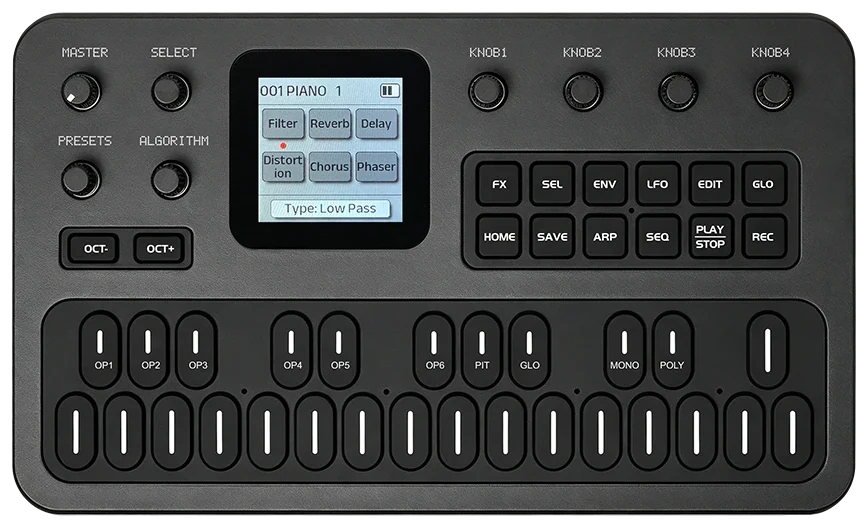
Portable CircuitPython device on an Adafruit Metro ESP32-P4 that keeps FM-1 firmware packages on a microSD card, downloads more from The Firmware Hub over WiFi and installs them over USB MIDI SysEx from a touchscreen, with no computer.
by jedgarpark
- Distribution
- Build from source yourself
- Requires stock
- V15 or a firmware with a compatible USB updater
- License notes
- The folder's LICENSE and README say GPL-3.0, because the update protocol is ported from M-VAVE's WebUpdate.js (GPL-3.0-only with the GPL-3.0 linking exception). Each firmware you put on the card keeps its own licence.
- Source
- github.com https://github.com/adafruit/Adafruit_Learning_System_Guides/tree/main/FM-1_Flasher
Quality
Established
Mature and widely used.
- MaturityStrong
9.2 years · 1,000 releases · 28 commits
- PopularityStrong
★ 1.1k · 802 forks (42 active) · 50 watching
- VitalityStrong
28 commits last year · last activity 2026-11-23
- Issue healthStrong
129 closed / 54 open · 2,999 of 3,155 PRs merged
- InfluenceLow
0 catalog entries build on this
- CommunityStrong
160 contributors · bus factor 5
Data from GitHub, 2026-11-23. How ratings work.
- flasher
- loader
- usb-midi
- sysex
- python
- utility
Description
The device is an Adafruit Metro ESP32-P4 with the 2.8-inch TFT touch shield, either the capacitive (FT6206) or the resistive (TSC2007) one, which the flasher detects at start-up. The FM-1 plugs into the Metro's native USB host port, and packages come from thefirmwarehub.com over WiFi. The screen browses the card's firmwares as picture cards or a list, filters by type or favourites, shows a firmware's details before installing, and its Catalog page fetches new firmwares and versions, only ever adding or updating. The README reports V15 to SLOOP in about 50 seconds and SLOOP back to V15 in about 46. The update protocol is ported from M-VAVE's WebUpdate.js, with each package checked the way the FM-1 checks it before writing; packages for other loaders such as Skiff are handled, and firmwares the hub sends to their own installer page are not downloaded. It needs stock CircuitPython 11 for the Metro ESP32-P4 from circuitpython.org (main from 92da735b06, or 11.0.0-alpha.3 and later). Both changes it needed, a larger USB host enumeration buffer and a TinyUSB host fix, are now in CircuitPython; the two patches stay in the repository only as history. A desktop command-line flasher, a screen simulator with a faked FM-1 and a unit-test suite are included, and tools/make_sd.py prepares a card from .fwsc files or from the hub catalogue. The repository holds no firmware packages; M-VAVE's stock V15 is added from a clone of m-vave/fm1_open and cannot be removed from the screen. A Settings option for FM-1s with the newer UC25HQ80 flash chip leaves out firmware the hub marks first-chip only, and the flasher installs from M-VAVE's V16, which only M-VAVE's own updater provides, and warns when a firmware would refuse V15 after it. The earlier version for an Adafruit Feather RP2040 or RP2350 with a TFT FeatherWing is deprecated and its code is gone from the main branch; its last tested state is the tag v1-feather-final in the old repository. On 5 November 2026 the project moved from jedgarpark/FM-1_Flasher, now archived, to the FM-1_Flasher folder of Adafruit's Learning System Guides repository. A release in the old repository, firmware-20261102, holds a custom CircuitPython .uf2 for the Feather RP2350; it was retired on 11 November 2026 and is kept for reference only.
Install notes
Hardware build only: a Metro ESP32-P4 with the 2.8-inch TFT touch shield, a microSD card in the Metro's slot and stock CircuitPython 11 for the Metro ESP32-P4 from circuitpython.org (main from 92da735b06, or 11.0.0-alpha.3 and later); until that release is out, use the Absolute Newest build (see patches/README.md). Copy FM-1_Flasher_Code to the board or run tools/deploy.py, set CIRCUITPY_SDCARD_USB = false in settings.toml, join WiFi from Settings, then tap Catalog to fill the card and pick a firmware to install. The FM-1 goes in the Metro's USB-A host port. Keep both devices powered during an install. PLAN.md, the Feather-era plan, lists recovery routes, including holding OCT- at power-on and a Raspberry Pi Pico transporter rig.
Version history
| Version | Date | Notes |
|---|---|---|
| main @ 4930ff0 | 2026-11-13 | No releases of the flasher itself; this is the latest commit to the folder. It adds a Settings option for the newer UC25HQ80 flash chip, which hides firmware the Hub marks as first-chip only, and records M-VAVE's V16 start-up code so the confirm screen says when V16 must be restored before a firmware that would refuse V15. Before that it added support for Adafruit's resistive 2.8-inch TFT touch shield with a measured touch calibration and switched to stock CircuitPython, dropping the custom UF2. The tag v1-feather-final in jedgarpark/FM-1_Flasher marks the last version for the Feather. |