line6-tt
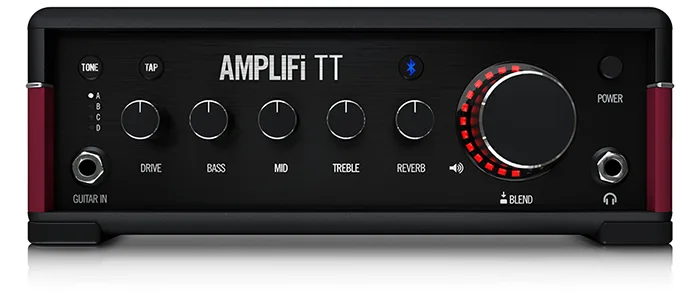
Tool for Line 6 AMPLIFi TT (Line 6)
Rust GUI and command-line tool that controls an AMPLIFi TT over USB from Linux, with tone librarian and editor, audio routing, and guarded firmware inspection and flashing. No custom firmware image is published.
by Jmainguy
Brick risk. Flashing this carries a known, documented risk of damaging the device.
- Distribution
- Build from source yourself
- Requires stock
- AMPLIFi TT firmware 2.61
- License notes
- The LICENSE file is the MIT text for the project's original code. The README says Line 6 and AMPLIFi names belong to their owners. The repository holds no Line 6 firmware, installers, device backups or SD card images, but it includes the Line 6 app icons, two Line 6 tone files and the app's API key noted above, which the MIT license does not cover.
- Source
- github.com https://github.com/Jmainguy/line6-tt
- editor
- librarian
- usb
- research
- flasher
- usb-audio
- desktop
- presets
Description
Rights warning: the repository includes six block icons taken from Line 6's AMPLIFi app, two Line 6 tone files used as test data, and the API key from Line 6's app in the source. The author reverse engineered the TT's USB editor protocol, boot layout and firmware container from Line 6's own updater and app, and documented it in a large set of research notes. The tools list and edit the 100 onboard tones, import and export official .l6p presets, switch to a clean guitar signal, mute the guitar, set the master level, choose the Amp or Main guitar route and set up JACK or PipeWire routing to an external effects host. Tone writes take a full bank backup first. The Line 6 Cloud page logs in to Line 6's web service with your Line 6 account to search and download community tones, so it sends your login to a vendor service. Most of these features depend on a modified copy of the TT's 2.61 main firmware image that the author built and installed on their own unit. It adds a loader that accepts small agent programs over USB into RAM, and those agents carry the controls. The repository holds the C sources, patch builders and research for this, but no firmware image or SD card image, and the builders read Line 6 files from the author's local directories that are not in the repository. The documentation shows the modified build running on the author's unit through many iterations, with several failed placements early on that needed the microSD card rewritten, and the author then returned the unit to stock 2.61 and recorded a final recovery check. The firmware commands install a file you supply: stock-reflash accepts only the pinned official 2.61 hash, and custom-reflash accepts any file that passes its checks. The README says a failed flash can leave a unit needing its microSD card restored. 96 kHz, extra USB channels and onboard routing were ruled out by the author as hardware limits.
Install notes
Needs Linux, a Rust toolchain and libusb. Build with cargo build --release and run packaging/install-user.sh, then install the included udev rule to use the TT without sudo. Offline firmware inspection with line6-tt inspect does not touch the unit. Flashing needs the TT in its Tone+Tap recovery mode and a firmware file you obtained yourself. Keep a verified copy of the original microSD card image before any flash, and do not cut power during a transfer.
Version history
| Version | Date | Notes |
|---|---|---|
| main @ 1bce01b | 2026-09-09 | No tagged releases; this is the latest commit. |